Piles Specialist Doctor in Bangladesh: How to Choose the Right One
Choosing a piles specialist doctor can feel uncomfortable. Many people feel shy to talk about bleeding, pain, itching, swelling, or a lump near the anus. Some people delay treatment because they do not know which doctor to visit.
But choosing the right doctor is very important. Piles symptoms can look similar to other conditions such as anal fissure, fistula, infection, polyps, or even colorectal cancer. So, proper diagnosis should come before treatment.
This guide will help you understand what to check before choosing a piles specialist doctor in Bangladesh. You will learn about qualifications, experience, communication style, treatment planning, and warning signs.
If you want to understand the full treatment journey first, read:
Read: Piles Treatment in Bangladesh →
- Choose a colorectal surgeon or experienced anorectal surgeon.
- Check qualifications such as FCPS, MS Colorectal Surgery, or relevant surgical training.
- Look for experience in piles, fissure, fistula, and colorectal conditions.
- Choose a doctor who explains the grade and type of piles clearly.
- Avoid doctors who suggest surgery without proper examination.
- Choose someone who discusses non-surgical and surgical options honestly.
Why Choosing the Right Piles Specialist Matters
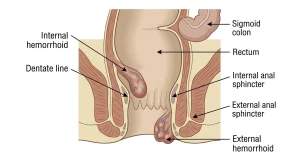
Piles, also called hemorrhoids, are swollen blood vessels in the lower rectum or around the anus. They are common, but every case is not the same.
Some patients have mild internal piles with bleeding. Some have painful external piles. Some have a prolapsed pile that comes out during stool. Some patients may actually have an anal fissure instead of piles.
This is why self-treatment or random cream use is not always safe. A qualified specialist can:
- confirm whether the problem is really piles
- identify the type of piles
- check the grade of internal piles
- rule out fissure, fistula, infection, or other causes of bleeding
- suggest the right treatment based on examination
- explain recovery time, cost, and follow-up needs
If you want to compare treatment methods, read:
Read: Piles Treatment Options →
Who Is the Best Doctor for Piles?
The best doctor for piles is usually a colorectal surgeon or a general surgeon with strong experience in anorectal diseases.
A colorectal surgeon has special training in diseases of the colon, rectum, and anus. This makes them suitable for treating conditions such as:
- piles or hemorrhoids
- anal fissure
- anal fistula
- rectal bleeding
- rectal prolapse
- colorectal tumors
- other anal and rectal conditions
For a sensitive condition like piles, experience and proper diagnosis matter more than just a clinic name or advertisement.
Top Qualities of a Good Piles Specialist Doctor
1. Specialized Colorectal Qualifications
A medical degree is the first step. But for piles, especially complicated or advanced cases, the doctor should have proper surgical training.
Helpful qualifications may include:
- FCPS Surgery: advanced specialist surgical training
- MS Colorectal Surgery: focused training in colon, rectum, and anal diseases
- FACS: fellowship recognition from the American College of Surgeons
- Teaching or hospital experience: shows ongoing clinical and academic involvement
You do not need to understand every degree. Just remember this: a doctor with colorectal training is usually better suited for piles than a doctor without anorectal experience.
2. Experience With Piles, Fissure, and Fistula
Piles symptoms can overlap with other anal conditions. A good specialist should regularly treat piles, fissure, fistula, rectal bleeding, and related problems.
Experience helps the doctor understand which cases need medicine, which need a clinic procedure, and which need surgery.
However, be careful with very strong claims. The most important thing is not just the number of procedures. The most important things are safety, diagnosis, ethical advice, and patient outcomes.
3. Proper Examination Before Treatment
A good piles specialist doctor should not suggest treatment only by hearing symptoms over the phone. A physical examination is usually needed.
The doctor may ask about:
- bleeding
- pain
- itching
- swelling
- constipation
- lump coming out during stool
- duration of symptoms
- family history of bowel disease or cancer
Depending on your condition, the doctor may perform a local examination or advise further tests.
4. Clear Explanation of the Grade of Piles
Internal piles are often divided into Grade 1, Grade 2, Grade 3, and Grade 4. Treatment depends strongly on the grade.
- Grade 1: usually bleeding but no prolapse
- Grade 2: comes out during stool and goes back by itself
- Grade 3: comes out and needs to be pushed back
- Grade 4: stays outside and cannot be pushed back
A good doctor should explain your grade in simple language. This helps you understand why a treatment is recommended.
5. Balanced Treatment Approach
A good piles treatment specialist should not recommend the same treatment to everyone.
For example:
- mild piles may need diet, water, medicine, and stool softener
- some internal piles may need a minor procedure
- selected patients may benefit from laser treatment
- advanced Grade 4 piles may need surgery
The doctor should explain the benefits and limitations of each option. For a broader comparison, visit:
Read: Piles Treatment Options →
6. Experience With Modern Treatment Methods
Modern treatment methods can help selected patients. These may include clinic procedures, laser treatment, or advanced surgical methods.
But no method is perfect for everyone. A trustworthy specialist will not say that one treatment is always best. Instead, the doctor will choose the method based on your symptoms, grade, age, medical history, and examination findings.
If you are looking for specialist treatment in Dhaka, you can also visit:
Read: Best Piles Treatment in Dhaka →
7. Respect, Privacy, and Good Communication
Piles is a sensitive condition. Many patients feel embarrassed. A good doctor understands this.
Look for a doctor who:
- listens without judgment
- respects privacy
- explains the problem simply
- answers questions patiently
- does not create fear unnecessarily
- does not pressure you into immediate treatment without explanation
Good communication is not a small issue. It helps you feel safe and confident during treatment.
Warning Signs: When You Should Be Careful
Be careful if a doctor or clinic:
- promises a guaranteed permanent cure without examination
- suggests surgery immediately for every case
- does not explain your diagnosis
- does not discuss possible risks or recovery
- uses fear-based marketing
- ignores repeated bleeding
- does not consider other causes of rectal bleeding
Piles treatment should be based on diagnosis, not guesswork.
Questions to Ask Your Piles Specialist Doctor
Before starting treatment, you can ask these simple questions:
- Is my problem really piles?
- Do I have internal piles, external piles, or another condition?
- What grade of piles do I have?
- Can I improve without surgery?
- What are my treatment options?
- What are the benefits and risks of this treatment?
- How long is the recovery?
- Can piles come back after treatment?
- What lifestyle changes should I follow?
- When should I come for follow-up?
These questions help you make a safer and more informed decision.
Why Dr. Muhammad Nazrul Islam May Be a Suitable Choice
Dr. Muhammad Nazrul Islam is a colorectal surgeon in Dhaka. He treats piles, anal fissure, fistula, rectal bleeding, and other colorectal conditions.
His qualifications include:
- FCPS Surgery
- MS in Colorectal Surgery
- FACS, USA
- Assistant Professor of Colorectal Surgery
He focuses on proper diagnosis and treatment planning. If your piles can improve with medicine and lifestyle changes, that should be discussed. If a procedure, laser treatment, or surgery is needed, the reason should be explained clearly.
Patients often need a doctor who listens, explains, and treats sensitive problems with respect. This is especially important for anorectal conditions like piles.
Need to Consult a Piles Specialist Doctor?
If you have bleeding, pain, itching, swelling, or a lump near the anus, do not delay diagnosis. Early examination can help you choose the right treatment.
Book an appointment with a qualified colorectal specialist.
পাইলস বিশেষজ্ঞ ডাক্তার: কখন দেখাবেন?
বাংলাদেশে অনেকেই পাইলসের সমস্যা লজ্জার কারণে লুকিয়ে রাখেন। কিন্তু পাইলস লজ্জার বিষয় নয়। এটি চিকিৎসার বিষয়।
নিচের লক্ষণ থাকলে একজন পাইলস বিশেষজ্ঞ ডাক্তার দেখানো উচিত:
- পায়খানার সঙ্গে রক্ত যাওয়া
- মলদ্বারে ব্যথা
- মলদ্বারে গুটি বা ফুলে যাওয়া
- পায়ুপথে চুলকানি বা জ্বালাপোড়া
- পায়খানার সময় মাংসপিণ্ড বের হয়ে আসা
- বারবার রক্তপাত হওয়া
নিজে নিজে দীর্ঘদিন ক্রিম বা ওষুধ ব্যবহার না করে সঠিক পরীক্ষা করানো ভালো। কারণ সব রক্তপাত পাইলসের কারণে হয় না।
Frequently Asked Questions
পাইলস এর জন্য কোন ডাক্তার দেখাবো?
পাইলসের জন্য একজন colorectal surgeon বা piles specialist doctor দেখানো ভালো। তারা মলদ্বার, পায়ুপথ এবং colorectal রোগের diagnosis ও treatment সম্পর্কে বিশেষ অভিজ্ঞ।
What is the difference between a general surgeon and a colorectal surgeon?
A general surgeon treats many surgical conditions. A colorectal surgeon has focused training and experience in diseases of the colon, rectum, and anus. For piles, fissure, fistula, and rectal bleeding, a colorectal surgeon is often more suitable.
When should I see a piles specialist doctor?
You should see a specialist if you have repeated rectal bleeding, severe pain, swelling, a lump near the anus, constipation with bleeding, or symptoms that do not improve with basic care.
Will a piles specialist recommend surgery immediately?
Not always. A good piles specialist doctor first checks the type and grade of piles. Early piles may improve with diet, medicine, stool softener, and lifestyle care. Surgery is usually considered for advanced or repeated cases.
How do I prepare for my first visit?
Write down your symptoms, how long you have had them, whether bleeding happens, and what medicines you take. You do not need to feel embarrassed. The doctor is trained to handle this condition professionally.
Is rectal bleeding always due to piles?
No. Rectal bleeding can also happen due to anal fissure, fistula, polyps, inflammatory bowel disease, or colorectal cancer. Repeated bleeding should be checked by a doctor.
Final Thoughts
Finding the right piles specialist doctor can make your treatment safer, clearer, and less stressful.
Do not choose a doctor only because of advertisements. Check qualifications, colorectal experience, communication style, treatment approach, and whether the doctor explains your diagnosis properly.
The right doctor will not only treat the symptoms. They will help you understand the cause, grade, treatment options, recovery, and prevention steps.
If you have bleeding, pain, swelling, or a lump near the anus, do not wait too long. Early diagnosis can prevent complications and help you recover faster.
Written by: Md. Salauddin Biswas
MA in Medical Anthropology, University of Heidelberg, Germany | Former Senior Research Associate, James P Grant School of Public Health, BRAC University | Expert in Health Website Architecture | Health Content Writer & SEO Specialist | Published: BMC Human Resources for Health | EEAT-Optimized Medical Content
Medically Reviewed by: Dr. Muhammad Nazrul Islam
Dr. Muhammad Nazrul Islam, FCPS, MS Colorectal Surgery, FACS, is an Assistant Professor of Colorectal Surgery at Shaheed Suhrawardy Medical College & Hospital, Dhaka. He treats piles, fissure, fistula, rectal bleeding, and other colorectal conditions.
References
Cleveland Clinic. Hemorrhoids: Causes, symptoms, diagnosis & treatment.
Mayo Clinic. Hemorrhoids – Symptoms and causes.
National Health Service. Piles haemorrhoids.